The Real Secret to Taking Action on Hard Things: 3 Steps to Mastering the Narrative That Shapes Your Reality By Dr. Christine Powell, Education Therapist and Executive Function coach specializing in ADHD & unique learning profiles.
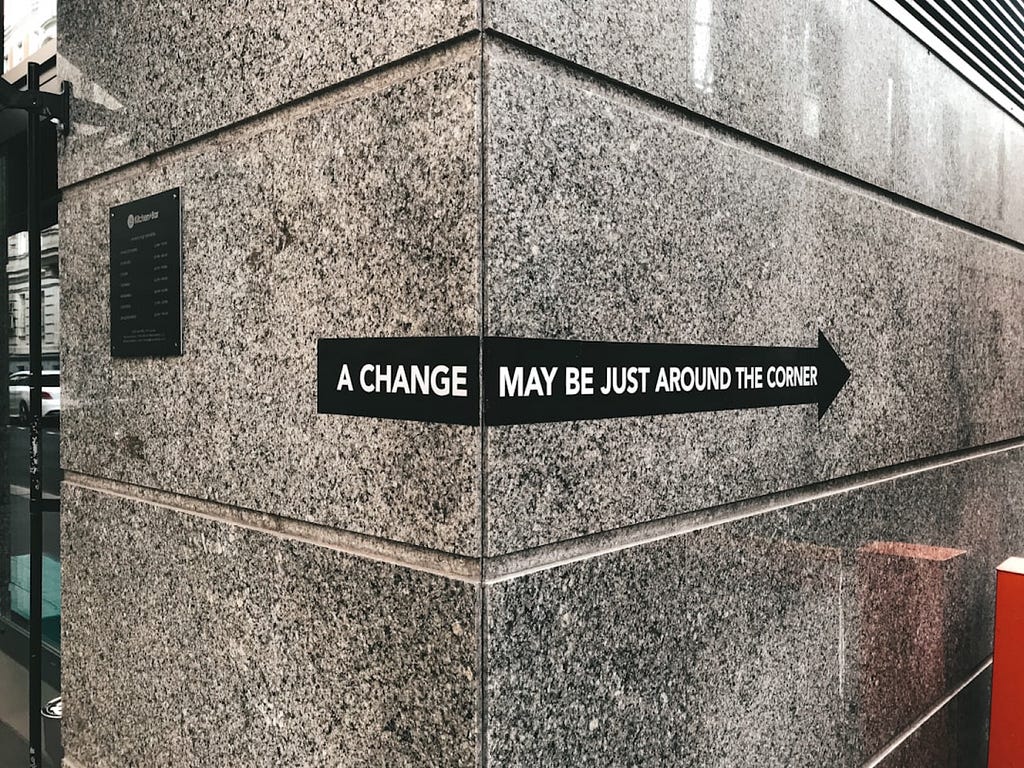
Photo by Bach Nguyen on Unsplash Think about a time you were staring at a project, a mountain of laundry, or even just a long to-do list, and you felt completely paralyzed. You knew exactly what you needed to do, but it felt like there was an invisible wall between you and the starting line. Your heart started to race, your stomach tightened, and that inner voice started whispering: “There’s no way I can get through this.”
In my work with executive functioning, I see this “freeze” phase play out regularly in both students & adults. We’ve been told that the answer is just work harder, focus better or be a better planner. But when you’re standing in front of that invisible wall, a planner, or more focus isn’t enough.
What you actually need is the missing ingredient for resilience: Self-Efficacy .
The “I Can” Factor
Self-efficacy is simply the belief that you can handle whatever life throws at you. It’s not a hard concept to understand, however it’s also not as simple as just thinking positively.
It’s not “toxic positivity.” It’s not looking in the mirror and saying “I’m a rockstar” when you feel like a mess. It’s a quiet, deep-seated confidence that says: “This is hard, but I have what it takes to navigate it.”
When you’re struggling with executive functions, maybe you’re neurodivergent, or maybe you’re just burnt out, that’s when your self-efficacy usually takes a massive hit. After months of missing deadlines or feeling “behind,” your brain starts telling you a lie…”You can’t handle this.” And when you believe you can’t handle it, your brain shuts down its “planning center” and the “panic center” jumps into action.
Resilience is a Muscle, Not a Trait
There is good news backed by research. You can actually build this belief. You can “train” your brain to be resilient. Here is how we do it :
Lower the Bar (On Purpose) You can build confidence through wins. If you’re overwhelmed, your “win” for today might just be opening a laptop or putting one dish in the dishwasher. These aren’t “small” steps, they are evidence. Every time you finish a tiny task, you’re sending a message to your brain: See? I’m a person who gets things done.
2. Watch the “Body Language” of Your Brain
When your heart starts racing before a big task, don’t label it as “anxiety.” Label it as “readiness.” Your body is just revving the engine. When you change the narrative from “I’m panicking” to “I’m getting ready to do something hard,” your self-efficacy goes up.
3. Find Your People
Resilience is contagious. When you see someone else who struggles with the same “brain fog” or “executive dysfunction” finding their way through, it creates a roadmap for you. It proves that your challenges aren’t a dead end, they’re just a different kind of path.
Resilience isn’t about being more focused, more organized or more mentally active. It’s about being kinder to yourself and building a track record of small successes. Then building a track record of wins that ultimately changes the way you think.
Next time you’re facing a “hard thing,” stop worrying about the finish line. Just look for the very next thing you know you can handle. Belief follows action. Start small, stay consistent, and watch how much stronger you feel.
🧩Dr. Christine Powell is an Education Therapist and Executive Function coach specializing in ADHD & unique learning profiles.