Finally, Strategies for the ADHD Mind By Dr. Christine Powell, Education Therapist
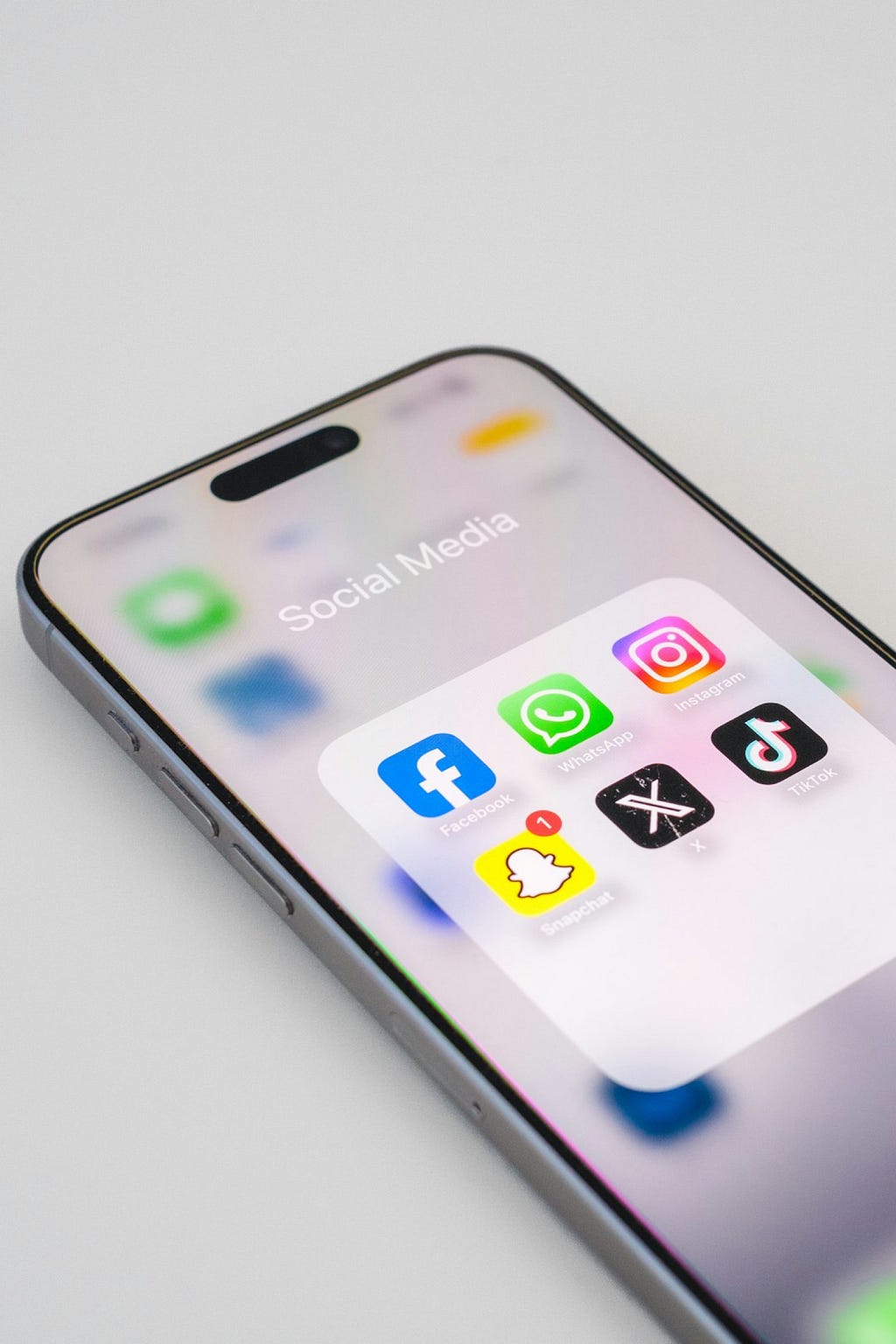
🧩I’ve spent the last few days down a digital rabbit hole, looking at the ADHD social media trends, the productivity postings on Pinterest, and the relatable threads on Reddit where people are just ADHD tired.
Photo by Ingmar on Unsplash As an educational therapist who has spent decades helping hundreds of individuals understand their own neuro-architecture, I see a massive gap. The internet is a great resource for giving you hacks, but it is missing an important part: giving you specific strategies. We don’t need to fix our personalities; we need to re-engineer our responses.
The truth is simple: Your brain is like a pilot navigating through a storm. You shouldn’t be trying to memorize your coordinates; you should be relying on your instrument panel. When your tools, timers, and reminders are tucked away, it’s like flying a plane with a covered dashboard. You can’t make the right move if you can’t see the data. We are going to stop guessing and start building your visual cockpit.
Let’s Talk Strategy
1. The Startup Cost (Task Initiation)
The internet calls it ‘rotting or paralysis’. It’s actually just your brain getting stuck at the starting line because the first step feels too big.
* The Clinical Shift: Stop waiting for the mood to strike. Motivation is unreliable; physics is better.
* The Practical Move: Use Somatic Priming. If you can’t start a task, don’t try to think your way out of it. Just move your body to the physical space where the work happens. If you need to do the dishes, just go stand by the sink. Once you are there, the activation energy required to actually start is much lower.
2. The Object Permanence Trap
Pinterest loves minimalist kitchens with empty counters. For an ADHD brain, a closed drawer is a black hole. If you can’t see the item, it effectively does not exist.
* The Clinical Shift: We need Visual Transparency.
* The Practical Move: Switch to clear bins. If you keep forgetting your gym bag or your vitamins, they shouldn’t be in a closet; they should be in a clear, see through container right in your path. We’re moving from hiding our things to mapping them so the brain doesn’t have to work to remember they exist.
3. The Time Blindness Reality
People think being late is a character flaw. It’s actually a sensory processing difference turned habit. Your brain likely struggles to feel the passage of time, seeing only Now and Not Now.
* The Clinical Shift: You cannot feel time; you have to see it as a physical object.
* The Practical Move: Get an Analog Clock. (I have a Swatch Watch) . An analog clock shows you a pie slice of time. When you see the hand moving, your brain can physically see the slice getting smaller. It turns an abstract concept into a visible reality. A digital clock is just a number without context.
Photo by Joshua Hoehne on Unsplash The Neuro-Architect’s Audit: A 3-Minute Reset
If you’re feeling overwhelmed right now, walk through your space and ask these three questions.
*Pile Check: Where does the clutter naturally land? (The mail on the stairs? The laundry on the chair?) Stop trying to train yourself to put it somewhere else. Put a basket exactly where the pile naturally grows. Work with your habits, not against them. *Friction Check: What is one thing you do every day that feels annoying? If it’s making coffee because the beans are buried in the back of a high cabinet, move them to the counter. Shorten the physical distance between the thought and the action. * Digital Noise Check: Is your phone your only way to tell time? If so, you’re losing 20 minutes to a scroll-hole every time you check the hour. Buy a 10 dollar analog watch or a wall clock. Separate your tools from your distractions. We spend so much time trying to force our brains into a world built for a different kind of thinker. I want you to stop. Start fixing the room, the desk, and the schedule to fit you.
You aren’t a broken version of someone else. You just need to gain control over your daily life. Start today with a few strategies curtesy of social media! 🎯
If you found this helpful, pass it on to someone who might benefit.
— Dr. Christine Powell