@ Dr Christine Powell- Ed.Therapist/ADHD Coach

It Takes a Kampong: Lessons in Community from Singapore
By Dr. Christine Powell
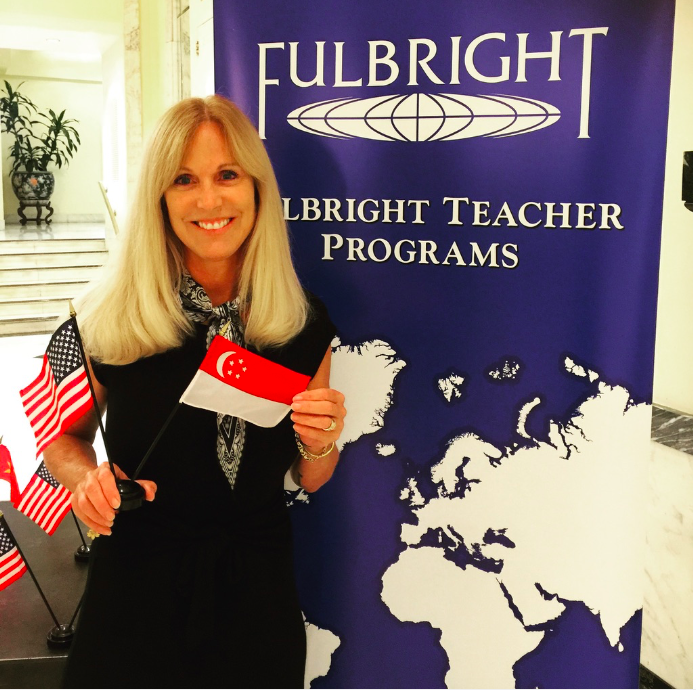
As an educator who specializes in supporting individuals with learning differences, I have spent my career searching for the ecosystems that allow every child to thrive. Recently, that search took me halfway across the world to Singapore. I went looking for academic strategies, but what I discovered was something far more profound—a cultural philosophy regarding the collective responsibility we hold for our children.
They call it “kampong.”
Literally translated, it means “village,” but in practice, it represents a spirit of close-knit community, mutual reliance, and a deep sense of belonging. It is the living embodiment of the proverb, “It takes a village.”
The Spirit in Action
I witnessed this spirit firsthand in a Singaporean classroom. I watched a teacher named Wee Hoon meticulously prepare her students for a visit to a local nursing home. To an outsider, it might have looked like a simple field trip preparation. To me, it was a masterclass in social-emotional learning.
She wasn’t just reviewing logistics; she was building empathy bridges. She taught her students about the aging process, how to communicate with dignity, and how to connect on a human level. It became clear that in this ecosystem, the school was not an isolated silo—it was a vital organ of the larger community body, working in tandem to raise caring, empathetic adults.
Breaking Down the Walls of the Classroom
The true power of the “kampong spirit” struck me when I visited a school dedicated to students who had struggled in traditional academic settings—a demographic close to my heart.
The principal didn’t talk about test scores. He talked about belonging. He showed me classrooms transformed into mini-workshops sponsored by local businesses, where students were learning tangible, real-world skills.
I stood on a rooftop garden where students and parents worked side-by-side growing vegetables. On weekends, the community would ascend that roof to buy the fresh produce. This wasn’t just gardening; it was a symbiotic relationship. The community supported the students’ work, and the students fed the community. Every child there felt seen, valued, and integral to the neighborhood’s success.
bringing the Kampong Home
This experience forced a reflection on our own systems in the United States. Too often, our schools operate as islands. How do we build these bridges here? How do we replicate the “kampong spirit” to support our neurodiverse learners and general student body alike?
Here are actionable strategies to shift our schools from institutions to communities:
Skill Sharing: Invite local tradespeople, writers, and business owners to co-teach lessons.
Career Scaffolding: Engage local professionals not just to speak, but to mentor—helping students with resume building and interview simulations.
Volunteer Partnerships: Establish standing relationships with animal shelters, nursing homes, and food banks.
Community Stewardship: Organize project days where students revitalize local parks or libraries, instilling a sense of ownership over their physical environment.

Final Thoughts
Singapore taught me that schools cannot function effectively in isolation. When we wall off our classrooms, we limit our students’ potential. By adopting the “kampong” mindset, we ensure that every child—regardless of their learning profile—feels supported, connected, and part of something bigger than themselves.
Ultimately, we must realize that a child’s potential isn’t just unlocked by a curriculum, but by a community. It is time we stop looking at education as a transaction and start treating it as a relationship. Let’s not just teach our children; let’s welcome them home.