
Parent to Parent: These skills do not happen overnight. Our job is to model these habits and provide the framework. Be patient. You are building the architecture for their future success.
By Dr. Christine Powell, Educator, ADHD Researcher, and Parent
After twenty years working with students in the US, I can tell you that success in middle and high school is rarely about raw intelligence. It is about habits.
Grades 6 through 12 are the “messy middle.” You might notice your child can solve a complex math problem one minute but loses their worksheet the next.
This is not laziness. It is biology.
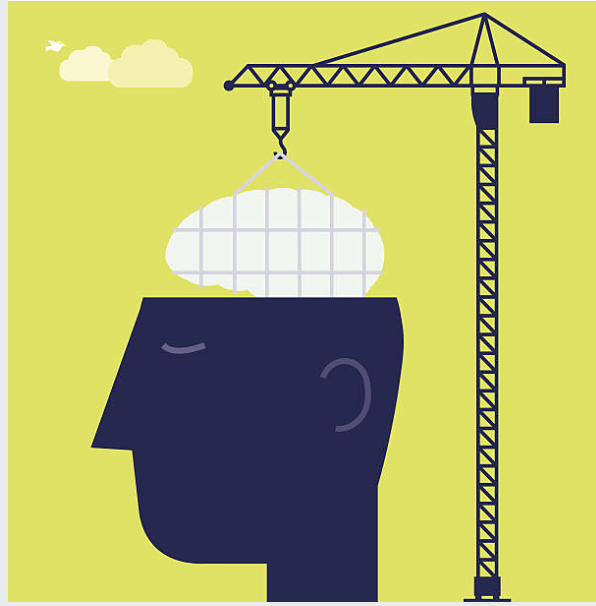
During these years, the brain is under construction. The part responsible for emotion is fully active, but the prefrontal cortex — the part that handles planning and focus — is not finished developing until the mid-twenties.
We cannot just expect students to have these skills. We must teach them. Here are seven research backed habits to help your student build a stronger brain.
The Fix: Make time visible. Encourage a “Sunday Sweep.” Spend 15 minutes every Sunday night looking at the week ahead. Map out due dates and practice times. This moves the plan from their head to paper, which lowers anxiety.
The Fix: Lower the barrier. Tell your student they only have to work for five minutes. If they want to stop after five minutes, they can. Most of the time, simply starting breaks the paralysis, and they will keep going.
Become a member
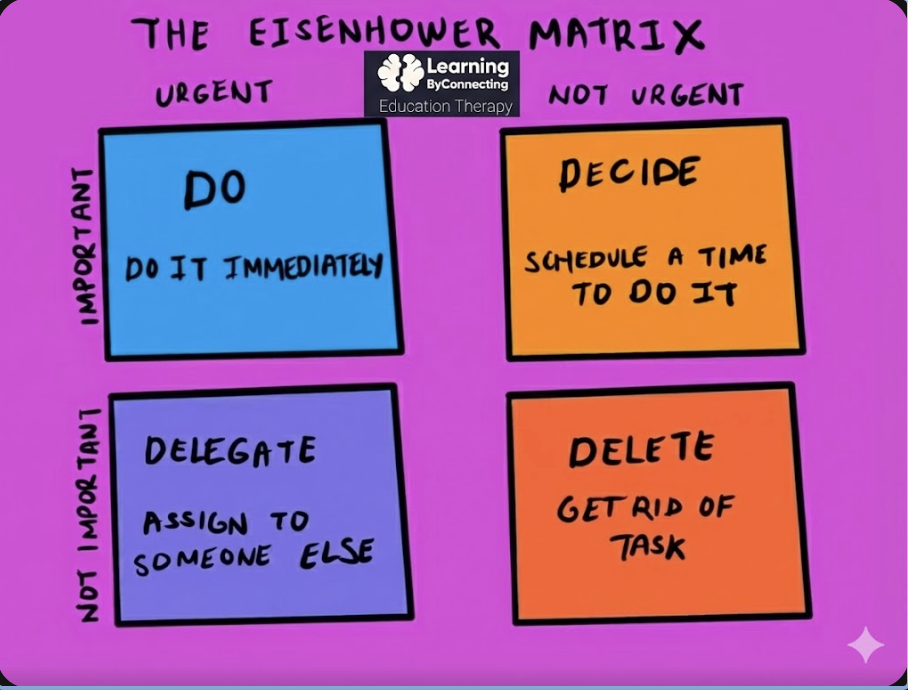
The Fix: The Eisenhower Matrix. Teach them to sort tasks into four boxes:
The Fix: The Self Check. Teach your student to pause every 20 minutes and ask: “Do I actually understand what I just read, or did my eyes just move over the page?”
The Fix: One thing at a time. Only have the materials for the current subject on the desk. When math is done, the book goes away before the history book comes out.
The Fix: Sleep is nonnegotiable. Pediatricians recommend 8 to 10 hours of sleep for this age group. If homework is consistently cutting into sleep, it is time to talk to the teacher. Sleep is more important than that extra hour of studying.
The Fix: Give them a script. Many students stay silent because they do not know what to say. Give them the words: “I tried to start this problem, but I got stuck on the second step. Can we look at that specific part?”
Parent to Parent: These skills do not happen overnight. Our job is to model these habits and provide the framework. Be patient. You are building the architecture for their future success.
Dr. Christine Powell, founder and principal at LearningByConnecting Education Therapy.